Lifting heavy materials on a building site comes with risks, especially when the right tools aren’t in place. Whether you’re moving steel beams or concrete blocks, having proper gear makes all the difference. Construction site lifting solutions help crews get the job done faster and with fewer accidents. From cranes to hoists and slings, each bit of kit plays a role in keeping things steady and safe. This article looks at some of the most useful options out there, how they’re used day-to-day, and what to think about before choosing one for your site.
Tower Cranes for Heavy Lifting
Tower cranes play a key role on large building sites. They help move steel, concrete, and other heavy items to high levels without delay. These machines can lift loads that would take many workers much more time and effort to shift by hand. That saves time and lowers the chance of injury from manual lifting.
These cranes stand tall and can rotate in full circles, which helps teams place materials exactly where they need them. With the right crew operating them, tower cranes make it easier to manage tasks on busy sites with tight schedules. They also reduce the number of smaller lifts needed during a job.
Using tower cranes makes it simpler to handle supplies like beams or formwork for upper floors. This is especially useful when building upwards or working in tight areas with limited space at ground level. The crane sits in one spot but covers a wide area from above, helping crews avoid moving things through narrow paths or stairs.
Each crane comes with set weight limits and reach lengths, so planning is key before setting one up. Site managers must think about load types, distances between drop points, and how often lifts will happen each day. When planned well, these machines become reliable parts of everyday site activity.
Tower cranes support safer methods by taking some of the strain off workers’ backs and arms. Fewer physical lifts mean fewer chances of pulled muscles or falls while carrying bulky items up ladders or scaffolding.
They remain one of the most dependable construction site lifting solutions, especially for multi-storey builds where reaching higher levels quickly matters most. Their presence helps keep projects moving without putting extra pressure on labour teams below ground level.

Mobile Cranes for Versatile Applications
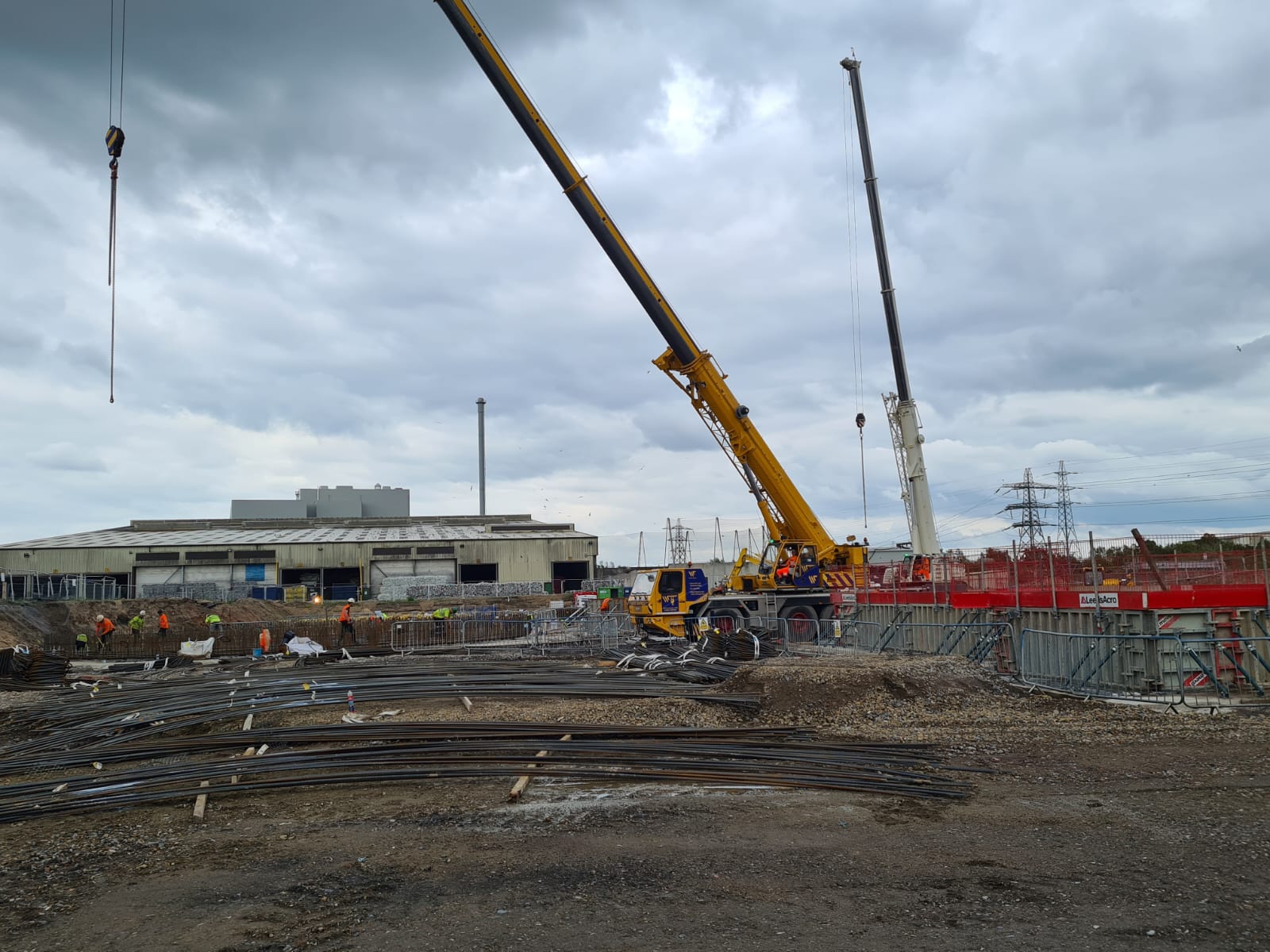
Mobile cranes play a big role on busy building sites. They can move from one spot to another without much delay. This makes them useful when tasks need to shift quickly or when jobs happen in more than one place. Workers don’t have to wait long for lifting equipment to arrive, which helps save time.
These machines come with wheels or tracks, so they don’t stay fixed in one place. That means they’re often used where space is tight or where the layout changes often. On smaller plots or areas surrounded by buildings, mobile cranes help lift loads without needing large setups.
When plans change during a project, it’s easier to adjust with mobile cranes. Their setup doesn’t take long, and they can start working soon after arriving on site. This makes them handy for lifting steel beams, concrete blocks, roofing parts and more, even if the location shifts day by day.
Some models have telescopic arms that extend and retract as needed. Others use lattice booms that fold down for transport but reach high once set up. These features make them suitable for many different jobs across various stages of a build.
Using mobile cranes also supports better safety practices on site. Since they reduce the need to carry heavy items by hand over distances, there’s less risk of injury from manual handling tasks.
For teams looking at construction site lifting solutions, choosing mobile cranes offers practical benefits that suit both simple and complex projects alike. Whether moving between floors of a new structure or shifting materials across uneven ground, these machines help get the job done without slowing progress down.
Construction crews rely on this type of crane when timing matters and space is limited. Their ability to handle many different lifts while staying easy to move gives them an edge on sites that demand flexibility every day.
Construction Site Lifting Solutions to Enhance Safety
Using the right tools for lifting heavy items on building sites helps prevent injuries. When teams rely on proper equipment, they don’t need to take risky steps or use unsafe methods. This makes everyone’s job easier and keeps people out of harm’s way.
Hoists, cranes, and gantry systems each serve a different purpose. A hoist can move loads up and down in tight spots. Cranes can shift materials over longer distances or across wide areas. Gantry systems help when there’s no room for a fixed crane but still a need to lift something off the ground. Choosing the right one depends on what kind of task needs doing.
Using construction site lifting solutions also means following safety rules more closely. Health and safety laws require certain standards during lifting tasks. These include making sure equipment is checked often, used properly, and operated by trained workers. Skipping these steps could lead to fines or worse, someone getting hurt.
Some jobs also call for tailored gear setups rather than standard ones. For example, working near power lines might mean using non-metallic parts to avoid electric risks. On uneven ground, mobile cranes with stabilisers make things safer by keeping balanced while lifting.
Site managers often bring in experts to help pick the best solution before starting big lifts. This planning stage helps reduce delays later on and avoids having workers stand around waiting for safe access or better gear.
Every building site has its own layout and limits, so no single setup works everywhere. That’s why it matters to match each tool with the real conditions at hand, space available, weight needing lifting, weather changes or nearby hazards like water or traffic zones.
Being careful about which system is used where doesn’t just tick boxes – it helps everyone go home without injury after their shift ends.
Lifting Accessories and Attachments
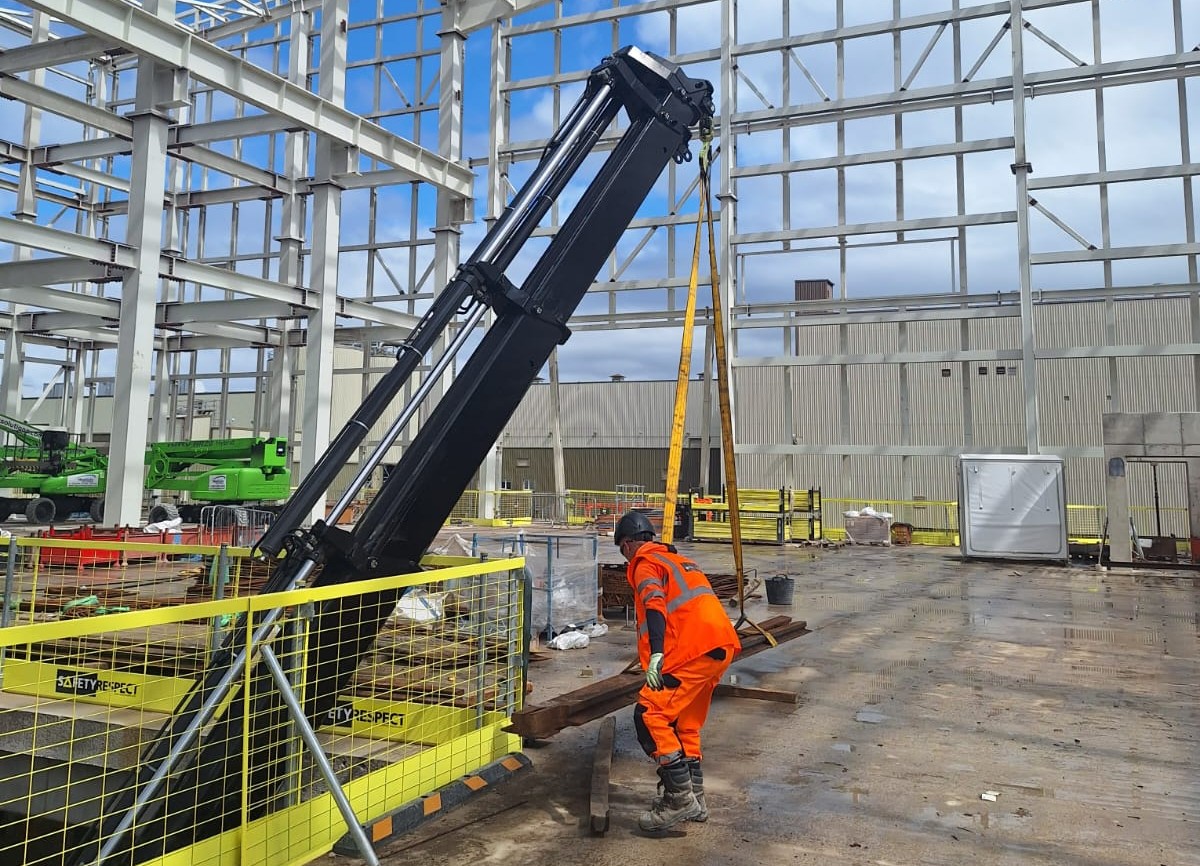
Using the right tools on a building site can make a big difference. When it comes to lifting heavy items, accessories like slings, shackles, and spreader beams help keep things steady. These parts may seem small, but they support bigger equipment and loads during lifts.
Slings come in different types, chain, wire rope, or synthetic. Each one fits certain tasks better than others. A chain sling might suit hot or sharp materials because it can take more wear. Synthetic slings usually handle lighter loads and offer flexibility when space is tight.
Shackles connect lifting gear to the load or another piece of equipment. There’s more than one kind, screw pin shackles for quick jobs or bolt-type ones for longer tasks where movement could be risky. Picking the wrong type could lead to damage or dropped loads.
Spreader beams help by spreading weight across more points instead of focusing all the pressure in one place. They’re useful when moving large objects that need balance from both ends. Without them, long items might bend or tip during lifting.
Each accessory must match both the load size and lifting method used on-site. If something isn’t secured properly, or if it’s not rated for that weight, it puts people at risk and slows down progress.
Good choices around these attachments form part of construction site lifting solutions that reduce danger during lifts. Workers rely on these smaller components to hold up larger systems safely every day.
Regular checks also matter here. Even strong gear wears out over time through daily use and tough conditions outdoors or indoors. Looking over each item before use helps avoid problems later on.
When teams plan ahead with proper gear, they handle materials more smoothly without delays caused by unsafe setups or broken parts.
Building Smarter and Safer with the Right Lifting Equipment
When it comes to keeping building projects efficient and safe, choosing the right construction site lifting solutions makes all the difference. From tower cranes that handle heavy loads with ease to mobile cranes that offer flexibility across varied terrains, each piece of equipment plays a vital role. Add in the right lifting accessories and a strong focus on safety, and you’ve got a recipe for smoother operations on site. By understanding what tools best suit your project’s needs, you not only boost productivity but also help create a safer working environment for everyone involved.