Using cranes to lift people isn’t something to take lightly. Whether it’s for maintenance, inspection, or working at height, crane use for lifting personnel comes with strict rules across the UK. It’s not just about having the right equipment, it’s also about following safety steps and legal requirements to keep everyone protected. If you’re involved in planning or carrying out this kind of job, knowing what’s expected can save time, money, and most importantly, lives. This guide covers what you need to know so that every lift is done safely and within the law, without overcomplicating things.
Understand the Legal Framework
Anyone using cranes to lift people in the UK needs to know the law. There’s no way around it. Two key rules apply here: the Lifting Operations and Lifting Equipment Regulations 1998 (LOLER) and the Health and Safety at Work etc. Act 1974.
LOLER is all about making sure lifting equipment is used safely. If a crane is used to carry someone, that counts as a high-risk task. Under LOLER, you must plan every lift properly, use suitable gear, and check everything before starting. The person doing the job needs training too – not just in how to operate machinery but also in spotting risks.
The Health and Safety at Work Act is broader but still matters for crane use for lifting personnel. It places a duty on employers to protect workers and anyone else affected by their actions. That means bosses have to make sure cranes used for this purpose meet safety standards, inspections happen regularly, and only trained staff take part.
There’s more than just those two laws though. Other guidance from the HSE (Health and Safety Executive) also applies when people get lifted by machines not designed for carrying them – like when cranes meant for materials end up moving workers into position on site.
To follow these rules, companies need proper records of lifts, risk checks done beforehand, maintenance logs kept up-to-date, plus clear instructions given out before any job starts. Skipping any of that can lead to fines or worse if there’s an accident.
So if you’re planning a lift involving people, even once, you’ve got legal boxes to tick first. Knowing what those boxes look like helps avoid trouble later down the line.
These laws lay out employer responsibilities for safe lifting operations, especially when personnel is involved.
Employers across the UK have clear duties when it comes to lifting people with cranes. The rules don’t leave much room for guessing. If a crane is used to move workers, the law sees it as high-risk. That means the employer must take extra steps to make sure everything runs safely.
The main legal framework here includes the Lifting Operations and Lifting Equipment Regulations 1998 (LOLER). These rules say that all lifting tasks must be properly planned, done by trained staff, and regularly checked. This applies even more when someone’s life is at risk, like during crane use for lifting personnel.
Before any lift happens, employers need to make sure the equipment suits this type of job. Not every crane can carry people safely. It must be strong enough and stable during all stages of moving up or down. Work platforms or cages used with cranes also need regular checks from a qualified person.
Training plays a huge part too. Workers who operate cranes or help with lifts should know what they’re doing without needing supervision all the time. They should understand how to handle an emergency if something goes wrong mid-lift.
Planning also matters a lot here. Employers should not just rely on guesswork or past lifts, they need full risk assessments each time they plan to raise people off the ground using machinery.
Communication between team members needs to stay clear throughout every lift involving humans. Hand signals, radios, or agreed signs help avoid mix-ups that could lead to harm.
Finally, records must be kept after each inspection and test of equipment used in these jobs involving people being lifted by cranes. These documents show proof that steps have been taken seriously, not just talked about on paper but followed through in practice.
Use Approved Equipment Only
Only cranes that have been designed or adapted for lifting people should be used. This is not just about following rules – it’s about keeping everyone safe. When planning any job that involves lifting someone with a crane, it’s important to use machines and gear built for that task. General-purpose cranes or attachments made for materials aren’t suitable for this kind of lift.
Platforms like man baskets must meet strict UK safety standards. These platforms need to be purpose-built, not homemade or modified on-site. They also must be checked by a qualified person before being used. That inspection should cover the whole setup, basket, connection points, safety harness anchorages and more.
All equipment must come with proof of certification. Without up-to-date paperwork showing it meets the right standards, it shouldn’t go anywhere near a live job involving people. This includes both new and older equipment, everything needs regular checks to stay in line with legal requirements.
The crane itself also plays a role here. Not every crane is suitable for raising people, even if it’s strong enough to lift heavy loads. The machine must have the correct controls and features needed for safe crane use for lifting personnel.
If you’re hiring machinery from a supplier, ask questions before signing anything. Make sure they provide gear approved specifically for hoisting individuals, not just goods or tools.
Using proper equipment isn’t optional when people’s lives depend on it. Shortcuts can lead to delays, fines or worse – so always stick with machines and accessories meant exactly for the job at hand.
Crane Use for Lifting Personnel Requires Additional Precautions
Crane lifting jobs usually involve moving materials, but sometimes people need to be lifted too. When that happens, the risks increase. That’s why crane use comes with extra rules and steps.
Before any lift begins, a proper risk check must happen. This means looking at what could go wrong and how to stop it. Things like weather conditions, ground stability, and equipment state all need checking. The team must also think about what might happen if the crane stops working or if power is lost during the lift.
An emergency plan should be ready before anyone leaves the ground. Everyone involved in the job needs to know what to do if something fails mid-lift. Rescue gear should be on-site and easy to reach. It’s not enough just to have a plan, crews must practise it so they can act fast when needed.
Supervision matters as well. A person with the right skills and experience must watch over every part of the lift from start to finish. This person makes sure each step follows safety laws and guidelines set by UK authorities like HSE (Health and Safety Executive). Workers taking part in these lifts also need training specific to this kind of task.
Using a crane to move workers should only happen when there’s no other safe way available. If ladders, scaffolding or lifts can do the job more safely, those options must be used instead.
The basket or platform used for lifting people has its own set of standards too. It needs secure fixing points, solid flooring, guard rails, and clear space inside so movement isn’t blocked during use.
Every small detail counts when people get lifted by machine power. Each crew member plays a role in making sure things go right – from planning through setup all the way till everyone returns safely back down again.
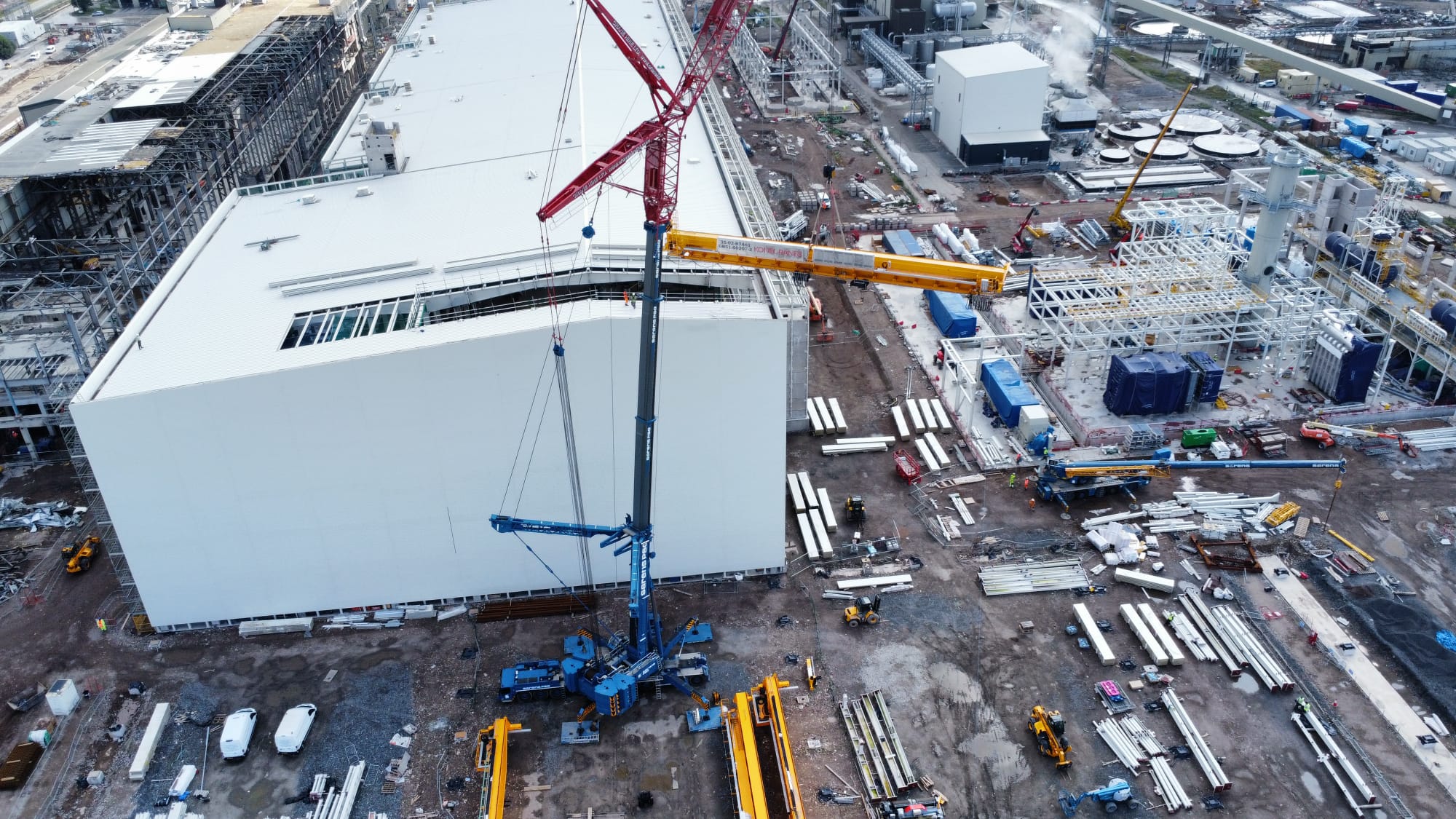
Conduct Thorough Planning and Supervision
Every lift involving people needs careful planning. A trained and qualified person must take charge of the plan before any crane moves. That plan should include clear steps for how the lift will happen, who is doing what, and how everyone will stay safe. It’s not just about moving things, when people go up in a basket or platform, there’s no room for guessing.
Before starting any job, hold a meeting with all involved workers. Go over the tasks, tools, and risks. Make sure everyone understands their role during the lift. Use simple language so nothing gets misunderstood. If something changes on site, like weather or ground conditions, the plan may need an update. The person in charge must review these changes right away.
Supervision is just as important as planning. Someone with experience should watch each stage of the operation from start to finish. They can spot problems early and stop unsafe actions before they become incidents. This person doesn’t only observe – they guide the team in real time if anything goes off track.
Training plays a big part too. Anyone working around cranes must get regular refreshers on safety rules and proper methods. New tools or equipment also mean updated training is needed so nobody works blind.
Clear signals between workers help avoid confusion during lifts. Radios or hand gestures should be used properly and agreed on by everyone beforehand.
All these steps support safer crane use for lifting personnel across different sites in the UK – whether it’s at a construction zone, industrial plant or maintenance job high above ground level.
Good planning paired with steady watching helps keep every worker protected while getting the job done right first time around.
Prioritising Safety and Compliance in Personnel Lifting
When it comes to crane use for lifting personnel, there’s no room for shortcuts. Staying compliant with UK regulations, using only approved and properly maintained equipment, and taking extra safety precautions all play a vital role in protecting workers at height. Thorough planning and competent supervision ensure that every lift is carried out responsibly and with minimal risk. By understanding the legal framework and making safety your top priority, you’re not just ticking boxes, you’re creating a safer working environment for everyone involved. Keep these principles front of mind to ensure each lift is both safe and legally sound.