Relocating heavy industrial machinery requires a unique blend of engineering precision, specialised equipment, and meticulous planning. Unlike standard construction lifting, moving complex asset lines within a live factory environment introduces a distinct set of operational challenges. For manufacturers, engineering firms, and production facilities operating across Greater Manchester, partnering with proven Industrial Machine Relocation Specialists Manchester is essential to minimise downtime and protect valuable corporate assets. At North West Lifting Services (NWLS), we specialise in delivering comprehensive turnkey decommissioning, extraction, transport, and installation solutions. Our team understands that industrial machinery represents a significant capital investment, requiring a highly disciplined approach to rigging, lifting, and mechanical handling from inception to final positioning.
The industrial heritage of Greater Manchester continues to thrive across major commercial manufacturing hubs like Trafford Park, old industrial estates in Salford, and newer distribution centres in Rochdale. Modern factory plant machinery, from multi-tonne CNC machining centres to extensive automated packaging lines, cannot simply be loaded onto a vehicle and moved. The process demands an exhaustive technical strategy that accounts for low overhead clearances, restrictive floor load capacities, and complex dismantling requirements. By working with a dedicated regional specialist, facility managers can bypass the logistical bottlenecks that often stall major relocation projects. Our specialised technicians possess the specific field experience necessary to manage asset movements safely, efficiently, and in strict alignment with rigorous UK industrial safety standards.
The Complexities of Machinery Extraction and Engineering Surveys
The success of a major asset relocation project is determined long before any rigging equipment is brought onto the factory floor. When engaging Industrial Machine Relocation Specialists Manchester, the initial phase must always centre on comprehensive engineering site surveys and meticulous asset profiling. Our senior technicians carry out exhaustive assessments of both the origin and destination facilities to identify potential physical or structural hazards. This includes measuring all structural access points, analysing overhead pipework configurations, and verifying the positioning of underground utility ducts that could be vulnerable to heavy axle loads. Failure to identify these constraints early can lead to catastrophic structural damage or severe project delays during the extraction process.
Floor loading capacity is a critical variable that requires precise calculation during the planning phase of an indoor relocation. Industrial facilities often feature varying floor compositions, ranging from reinforced solid concrete slabs to suspended flooring systems over basement voids. Our technical planning team calculates the exact point loads exerted by both the machinery being moved and the handling equipment used to execute the shift. If a factory floor cannot support the concentrated weight, we design and implement custom load-spreading configurations using heavy-duty timber baulks or steel plates. This analytical approach ensures that the integrity of your facility floor is completely preserved throughout the mechanical handling process.
Furthermore, many large-scale production assets require a structured decommissioning and partial dismantling programme before they can be safely extracted from a building with the help of our Industrial Machine Relocation Specialists Manchester this becomes a seamless process. Our rigging teams work systematically to label, document, and carefully disassemble complex mechanical assemblies, ensuring that precision components remain entirely protected from structural distortion or calibration loss. We create bespoke Method Statements and Risk Assessments (RAMS) for every single extraction, outlining the exact sequence of mechanical interventions required. This highly structured methodology is essential for maintaining a clear audit trail and ensuring that the equipment can be reassembled and re-commissioned with absolute precision at its new destination.
Specialised Tooling and Mechanical Handling Systems for Indoor Rigging
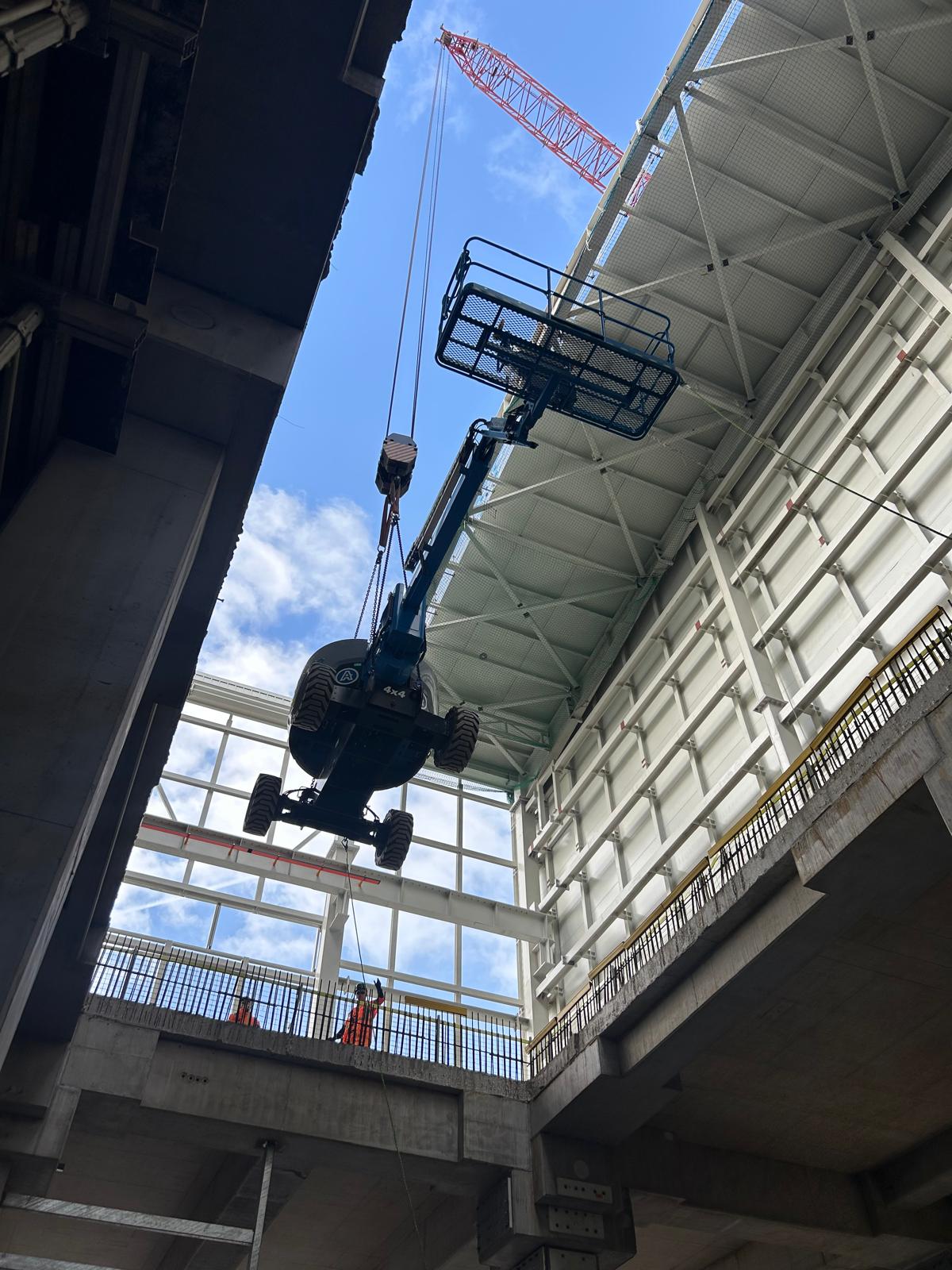
Indoor industrial environments rarely afford the luxury of open space or high overhead clearance, rendering standard mobile cranes ineffective for the core extraction process. To overcome these space constraints, our industrial relocation teams utilise a highly diverse array of specialised mechanical handling systems and rigging tooling. Heavy-duty machine skates, hydraulic jacks, and low-profile air caster systems allow us to shift loads weighing multiple tonnes with millimetre precision through remarkably narrow warehouse aisles. These systems distribute the weight of the asset evenly across multiple points, allowing our technicians to steer massive machinery around tight structural columns and beneath low-hanging cable trays without risking building contact.
In addition to floor-based skidding systems, hydraulic gantry systems and compact pick and carry cranes serve as indispensable assets for vertical lifting in confined zones. A modular hydraulic gantry can be erected directly over a machine, providing a safe, overhead lifting mechanism where a mobile crane boom cannot extend. This equipment is exceptionally useful for lifting heavy stamping presses, industrial ovens, or injection moulding machines cleanly off their foundations so that transport skates can be positioned underneath. Our compact pick and carry cranes offer a fume-free, battery-electric alternative that can lift and travel with a load simultaneously, providing an agile solution for moving components across active production floors.
Every piece of rigging tackle, hydraulic cylinder, and lifting accessory used by NWLS undergoes rigorous structural examination and holds full certification in strict compliance with LOLER 1998 standards. We maintain an uncompromising stance on equipment integrity, recognising that even minor component wear can lead to critical failures during a high-tonnage shift. Our commitment to utilising state-of-the-art rigging technology allows us to execute complex mechanical manoeuvres with absolute confidence, providing a level of operational safety that traditional haulage firms simply cannot replicate. By matching the exact mechanical tool to the unique physical dimensions of your asset, we eliminate unnecessary risks and streamline the entire physical relocation process with our Industrial Machine Relocation Specialists Manchester.
Minimising Operational Downtime Through Phased Project Management
For any manufacturing business, prolonged production downtime is a major financial vulnerability that must be managed with exceptional care. We structure our industrial relocation strategies around the core objective of minimising interruption to your ongoing commercial operations. This often involves executing projects in tightly managed, sequential phases rather than attempting a total facility shutdown. By moving specific production cells or assembly lines independently, we allow the remaining sections of your factory to maintain active output, preserving your supply chain commitments and protecting your commercial revenue throughout the transition period.
Our project managers coordinate closely with your internal production planners, maintenance engineers, and facility staff to synchronise our rigging schedules with your natural operational lulls. We routinely execute extractions and installations during planned weekend shutdowns, bank holidays, or night shifts to ensure the most disruptive phases of the move occur when site foot traffic is at its lowest. This collaborative approach ensures that utility disconnections, civil engineering works, and heavy transport movements are perfectly harmonised, preventing different trade contractors from obstructing one another on site.
The logistics of transporting over-dimensional or heavy industrial components across the Greater Manchester road network requires further specialised coordination. Our transport planning department manages all necessary routing logistics, securing required abnormal load permits and coordinating with Greater Manchester Police or local highways authorities where wide load escorts are legally mandated. By managing the transport scheduling with the same precision as the on-site rigging, we ensure that machinery arrives at the destination facility exactly when the installation crew is ready to receive it. This seamless synchronisation prevents costly haulage standby fees and ensures a highly efficient turnaround from the transport vehicle to the factory floor.
Precision Reassembly, Alignment, and Compliance Standards
The relocation process is far from complete once the machinery has been safely delivered to its new destination facility. The final positioning, structural reassembly, and mechanical alignment phases require an exceptional level of engineering precision to restore the asset to its optimal operational specification. Industrial machinery is highly sensitive to microscopic misalignments, which can cause premature component wear, catastrophic tool breakages, or complete calibration failure upon restart. Our installation technicians utilise precision levelling equipment and specialised alignment tools to secure the machinery onto its new foundations exactly according to the manufacturer guidelines.
Our teams are also highly experienced in managing the structural anchor systems required to fix heavy machinery securely to the factory floor. Whether your equipment requires heavy-duty chemical resin anchors, mechanical expansion bolts, or custom anti-vibration mounting pads, we ensure that the structural tie-ins are executed flawlessly. We pay close attention to curing times and torque specifications, ensuring that the machine is completely stabilised against the dynamic forces it will generate during high-speed manufacturing operations. This level of technical diligence is critical for preserving your equipment warranties and extending the operational lifespan of the asset.
Compliance with UK health and safety legislation is woven into every stage of our installation process, strictly adhering to the Provision and Use of Work Equipment Regulations 1998 (PUWER). We ensure that all structural guards, emergency stop circuits, and safety isolation systems are correctly reinstated and verified before the machinery is handed back to your operational team. Our comprehensive close-out documentation pack includes all updated LOLER certifications for any lifting points used, alongside complete sign-off sheets for the alignment and positioning phases. This transparent approach gives factory owners and safety directors total confidence that their newly relocated production environment is fully legal, structurally sound, and ready for immediate operational deployment.
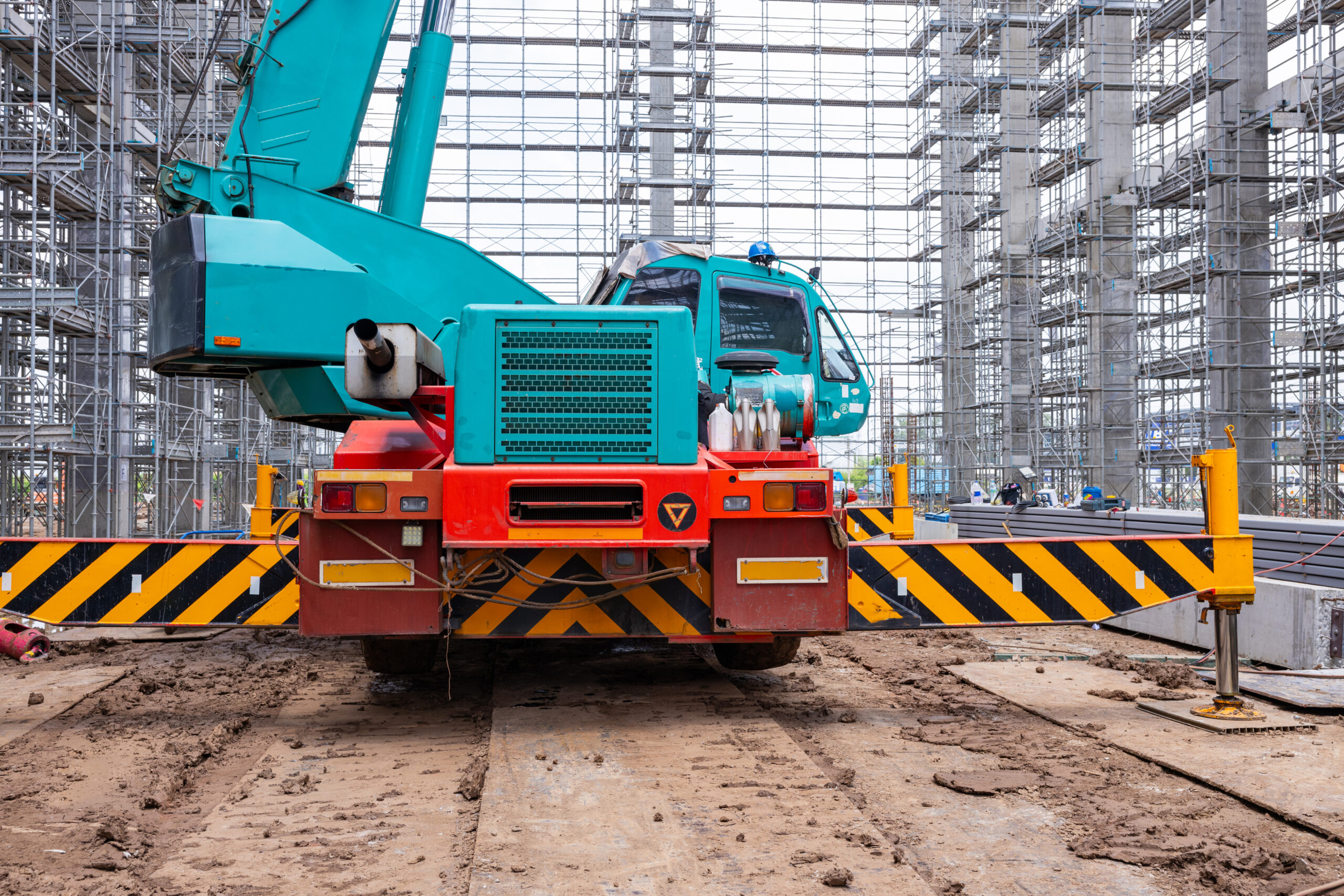
Frequently Asked Questions About Industrial Machine Relocation Specialists Manchester
How long does a typical factory machine relocation take to complete?
The duration of an industrial relocation project varies significantly based on the total number of assets, the complexity of the dismantling required, and the physical constraints of the facilities. A single, self-contained CNC machine can often be surveyed, decommissioned, moved across Manchester, and positioned within a single working day. Conversely, a complete multi-line manufacturing facility relocation can span anywhere from several weeks to months. We provide a highly detailed project timeline during the initial consultation phase, breaking down the exact hours allocated to decommissioning, transport, and reassembly.
Can you move heavy machinery within an active factory without stopping our other lines?
Yes, we specialise in executing “live environment” machinery movements. Our rigging teams are highly trained to operate safely and discreetly alongside your active workforce, utilising non-disruptive mechanical handling systems like battery-electric pick and carry cranes or manual hydraulic skating systems that emit zero fumes and minimal noise. We implement clear physical barriers, dedicated safety signage, and strict exclusion zones around our immediate lifting areas, ensuring that the rest of your facility can maintain its normal production schedules without compromising on workforce safety.
What insurance cover is provided during a high-value machine relocation?
At NWLS, we maintain comprehensive public liability and professional indemnity insurance policies specifically tailored for complex contract lifting and industrial machine movement operations. However, standard marine cargo or goods in transit insurance policies often feature specific financial limits per tonne that may not fully reflect the true replacement value of specialised precision engineering equipment. We review the asset values of your specific machinery during the pre-contract phase and can arrange tailored, fully comprehensive “hook-to-hook” insurance cover to ensure your financial assets are totally protected throughout the move.
What details do you need from us to provide an accurate quotation?
To generate a precise and competitive proposal, we ideally require the manufacturer specification sheets detailing the exact dimensions, weight distribution, and lifting points of the machinery. Information regarding the access routes at both the origin and destination sites, such as door widths, ceiling heights, and any apparent floor slope gradients, is also incredibly helpful. If this technical data is unavailable, our engineering team will arrange a comprehensive site visit to collect all necessary structural measurements and weight calculations firsthand, ensuring that no details are overlooked.
How do you ensure that sensitive electronic components are not damaged during transport?
Precision electronics, control cabinets, and delicate robotic elements are highly vulnerable to moisture ingress, dust contamination, and severe structural vibrations during transit. Our decommissioning process includes securing all internal moving parts using specialised transit brackets to prevent structural shifting. We utilise heavy-duty, climate-resistant industrial shrink-wrapping and bespoke timber crating to protect sensitive surfaces from the elements. Furthermore, our specialised air-ride suspension transport vehicles isolate the cargo from road shocks, ensuring that your machinery arrives in pristine condition.