Navigating the complexities of modern construction often requires finding a balance between power and footprint. In densely populated urban areas or confined industrial sites, traditional heavy-duty cranes are frequently too large to operate effectively. This is where Small Capacity Crane Rental becomes a vital asset for site managers and developers. At North West Lifting Services (NWLS), we specialise in providing compact lifting solutions that do not compromise on safety or precision. By utilising smaller, more manoeuvrable machines, projects can progress in environments where access is restricted or ground loading is a significant concern. This guide examines how smaller lifting equipment can streamline your operations and provide the versatility needed for challenging builds across the UK.
The demand for compact lifting has grown significantly as urban regeneration projects increase in frequency. In cities like Manchester and Liverpool, working within tight residential corridors or historic building footprints is common. A standard mobile crane may require extensive road closures and complex traffic management plans, which can be both time-consuming and expensive. In contrast, choosing a small capacity option allows for a much more agile approach. These machines are designed to navigate narrow access routes and operate in spaces that would be inaccessible to larger counterparts. By integrating these solutions into your project plan, you can maintain a high level of productivity while adhering to strict site constraints.
The Versatility of Mini and Spider Cranes in Tight Spaces
One of the most effective tools in the world of Small Capacity Crane Rental is the mini spider crane. These machines are named for their unique outrigger design, which provides exceptional stability on uneven or sensitive surfaces. Because they can fold down into a compact transport mode, many of these cranes can fit through a standard double doorway or be transported in a goods lift. This makes them ideal for internal fit-outs, rooftop installations, and basement works. Once in position, the outriggers are deployed to create a secure base, allowing the crane to lift loads of up to several tonnes with incredible accuracy.
Beyond spider cranes, pick and carry cranes offer another layer of versatility for industrial environments. Unlike traditional cranes that must remain stationary while lifting, pick and carry models are designed to move with the load. This is particularly useful in factory settings for machine movement and installation. Many of these units are battery-powered, providing fume-free operation that is essential for indoor work. Their compact frame and tight turning circle allow them to navigate between production lines and warehouse racking with ease. This ability to combine lifting and transporting into a single operation reduces the need for multiple pieces of equipment and lowers the risk of handling errors.
Safety remains the paramount concern regardless of the crane size. Every small capacity machine in our fleet undergoes rigorous testing and is fully LOLER compliant. Even though these cranes are smaller, they are equipped with advanced safety features such as load moment indicators and anti-collision systems. When you partner with NWLS, you are not just hiring a machine; you are accessing a wealth of technical expertise. We provide detailed site surveys to ensure the chosen equipment is perfectly matched to the task and the environment. This proactive planning is the key to preventing accidents and ensuring that every lift is executed without incident.
Reducing Site Disruption and Logistics Costs
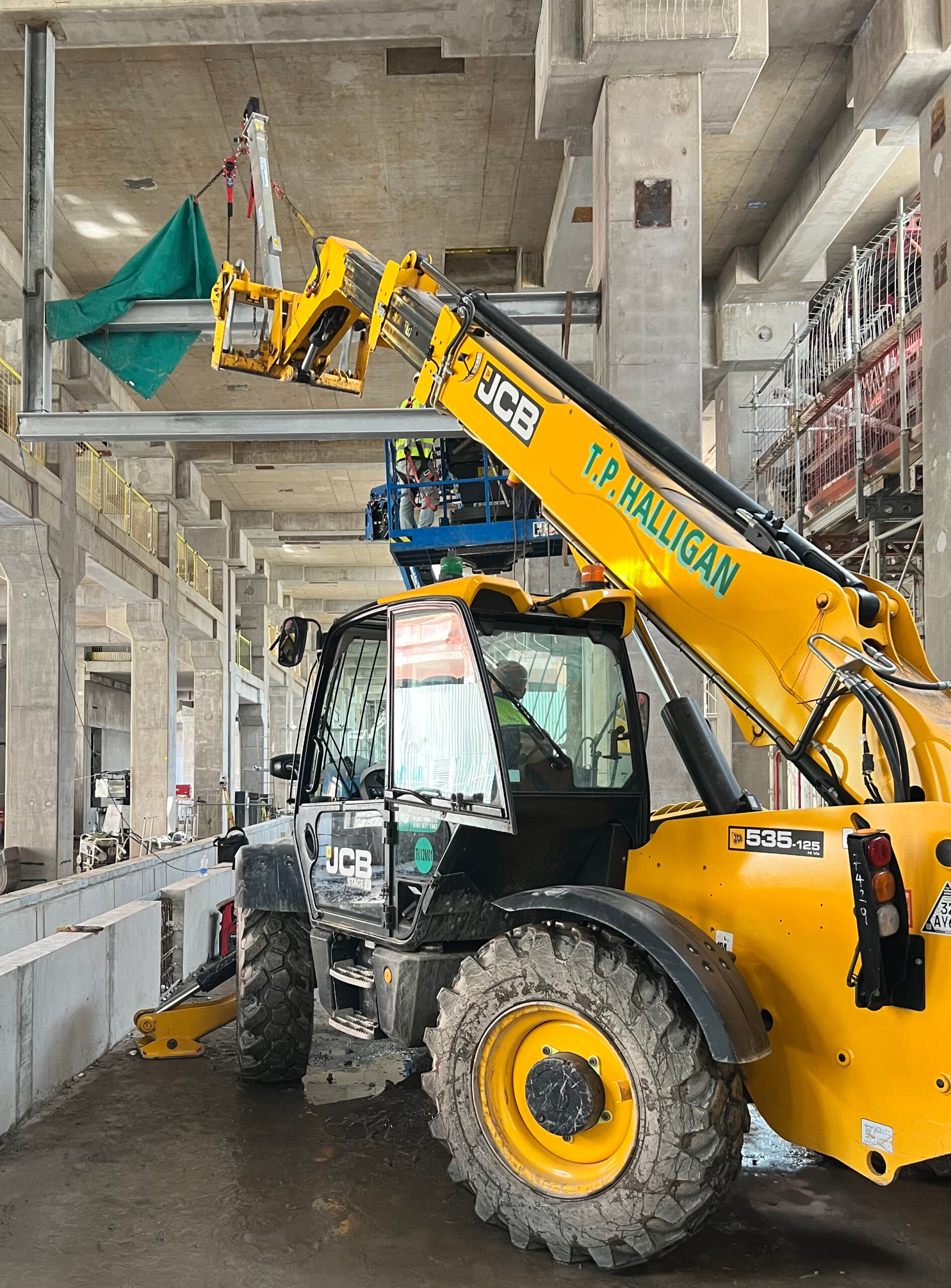
The logistical advantages of opting for Small Capacity Crane Rental equipment are significant. Traditional large-scale cranes often necessitate substantial ground preparation, such as the installation of heavy-duty mats or reinforced platforms. This adds to the overall project cost and extends the setup time. Smaller cranes, due to their lighter weight and distributed floor loading, often require minimal ground prep. This is a major benefit when working on finished floors, suspended slabs, or sensitive heritage sites. By reducing the physical impact on the site, you can avoid costly repairs and maintain the integrity of the existing structure.
Furthermore, the transport of small capacity cranes is much simpler than moving their larger relatives. Many can be transported on a standard plant trailer or a small beavertail lorry, reducing the carbon footprint and the cost of haulage. This ease of transport also means they can be deployed quickly, which is essential for rapid-response tasks or projects with shifting deadlines. In a busy city centre, being able to deliver and remove equipment without causing a major traffic incident is an invaluable benefit. It allows site managers to be more reactive and reduces the administrative burden of coordinating with local authorities for road permits.
Labour efficiency is another area where small cranes excel. Because they are often operated via remote control, the operator can position themselves in the best vantage point to see the load and the landing area. This improves communication between the lifting team and reduces the reliance on complex hand signals or radio chatter in noisy environments. On smaller building projects, this can lead to a more streamlined workflow where a smaller team can achieve more in a shorter timeframe. By choosing the right tool for the job, you avoid the “over-engineering” of a lift, which keeps your budget focused where it matters most.
Specialist Applications for Compact Lifting Solutions
There are several specific applications where small capacity cranes are not just an alternative, but the preferred choice. Glazing and curtain walling installation is a prime example. The precision required to position large glass panels is immense, and any vibration or jerky movement can result in a breakage. Compact cranes, particularly when paired with vacuum lifting attachments, provide the smooth, controlled motion needed for these delicate tasks. They can be positioned on the floors of a building as it is being constructed, allowing glazing to be installed from the inside out, which is often safer and more efficient than using external scaffolding or cradles.
Steel erection on smaller commercial or residential extensions is another area where these cranes prove their worth. Lifting RSJs and steel beams into place in a rear garden or a narrow alleyway is a common challenge for local builders. A spider crane can be tracked through a side gate and set up in a confined garden space, performing the lift over the house if necessary. This eliminates the need for manual handling of heavy steel sections, which is a major cause of site injuries. By professionalising the lift with a mechanical solution, you not only improve safety but also increase the speed of the structural phase of the build.
Industrial maintenance and plant upgrades often involve working in “live” environments where production cannot be stopped. Small cranes allow for the removal and replacement of pumps, motors, and electrical cabinets without the need for large-scale shutdowns. Their ability to work under low headroom and around existing pipework makes them the go-to solution for facilities managers. At NWLS, we understand the pressure of industrial timelines. Our team works closely with your maintenance staff to plan lifts that cause the least possible disruption to your core business activities, ensuring that your facility remains operational throughout the process.
Professional Managed Services and Safety Personnel
While the small capacity crane rental equipment is a critical component, the success of any lifting operation rests on the competence of the people involved. Even with smaller cranes, the legal requirements for a safe lift remain the same. This includes the need for a competent Appointed Person to create the lift plan and a Lift Supervisor to oversee the task on site. We provide a full range of qualified personnel who are experienced in handling small capacity machines. Our staff are trained to recognise the specific risks associated with compact lifting, such as outrigger loadings on unknown voids or the impact of wind on high-rise rooftop lifts.
Choosing a fully managed contract lift with NWLS means we take care of all these regulatory requirements for you. We produce the necessary Risk Assessments and Method Statements (RAMS) and provide the insurance cover needed for the operation. This takes the weight off your shoulders and ensures that your site remains compliant with the Health and Safety Executive (HSE) guidelines. For smaller contractors who may not have an in-house lifting specialist, this service is an essential safeguard. It ensures that every lift, no matter how small, is treated with the same level of professional rigour as a multi-crane operation on a major infrastructure project.
Investment in training is a core value at NWLS. Our operators are not just machine drivers; they are lifting specialists who understand the mechanics of the load and the limitations of the environment. They work as an integrated part of your site team, offering advice and adjustments to the plan where necessary to ensure the best outcome. This collaborative approach often uncovers more efficient ways of working, saving time and money in the long run. By providing both the high-quality machinery and the expert personnel, we offer a turnkey solution for all your compact lifting needs across the North West and beyond.
Frequently Asked Questions About Small Capacity Crane Rental
How much weight can a small capacity crane actually lift?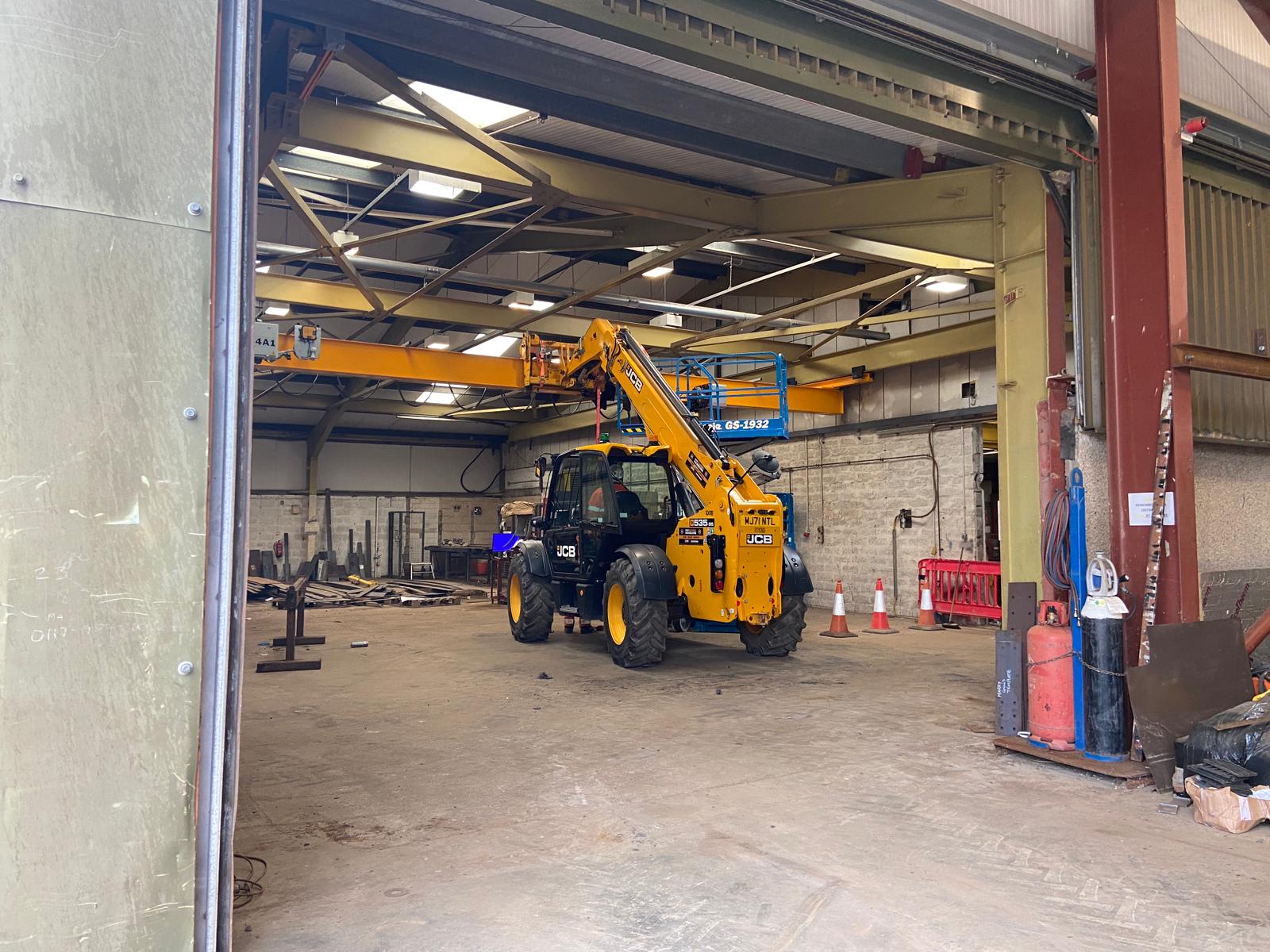
The lifting capacity of “small” cranes varies depending on the specific model and the radius at which it is working. Generally, our small capacity fleet covers everything from 1 tonne up to around 10 tonnes. For example, a typical mini spider crane might have a maximum capacity of 2.9 tonnes at a short radius, but this capacity decreases as the boom is extended further. We always review your specific load and reach requirements during our site survey to ensure the selected crane has a sufficient safety margin for the task.
Can a spider crane fit through a standard house door?
Many of the most popular mini spider cranes are designed with a transport width of just 600mm to 750mm. This allows them to pass through a standard single internal door or a narrow garden gate with ease. Once through the access point, they can be tracked into position and the outriggers deployed. If you have a particularly tight access route, we recommend a site visit so we can measure the clearances and ensure there are no obstacles like sharp turns or steep steps that might prevent the crane from reaching the work area.
Are electric or battery-powered cranes available for indoor use?
Yes, we provide a range of eco-friendly lifting solutions that are perfect for indoor environments where exhaust fumes are a safety hazard. Our fleet includes battery-electric spider cranes and pick and carry cranes that offer silent, zero-emission operation. These are ideal for use in food processing plants, hospitals, schools, and shopping centres. These machines provide the same lifting power as their diesel counterparts but allow you to work in enclosed spaces without the need for expensive additional ventilation systems or out-of-hours scheduling.
Do I need a special licence to operate a small hired crane?
Under UK law and the LOLER regulations, any person operating a crane must be competent and have received adequate training. For most construction sites, this means the operator must hold a valid CPCS (Construction Plant Competence Scheme) or NPORS card for the specific category of crane being used. If you do not have a qualified operator on your team, we highly recommend our “Contract Lift” service, where we provide a fully qualified and experienced operator as part of the package to ensure safety and compliance.
How do I know if my floor can support the weight of a mini crane?
Determining the ground bearing capacity is a critical part of the lift planning process. Smaller cranes are much lighter than mobile cranes, but they still exert significant point loads through their outriggers or tracks. We can provide you with the specific technical data for the crane’s weight and outrigger loadings. For sensitive floors or rooftops, we often use additional spreader plates or timber baulks to distribute the weight over a larger area. If there is any doubt about the structural integrity of the floor, we suggest consulting with a structural engineer.